How to Prepare for Endoscopy When You Take Daily Medicines
1 July 2026 · By Endoscopy.mu

Why medicines matter before endoscopy
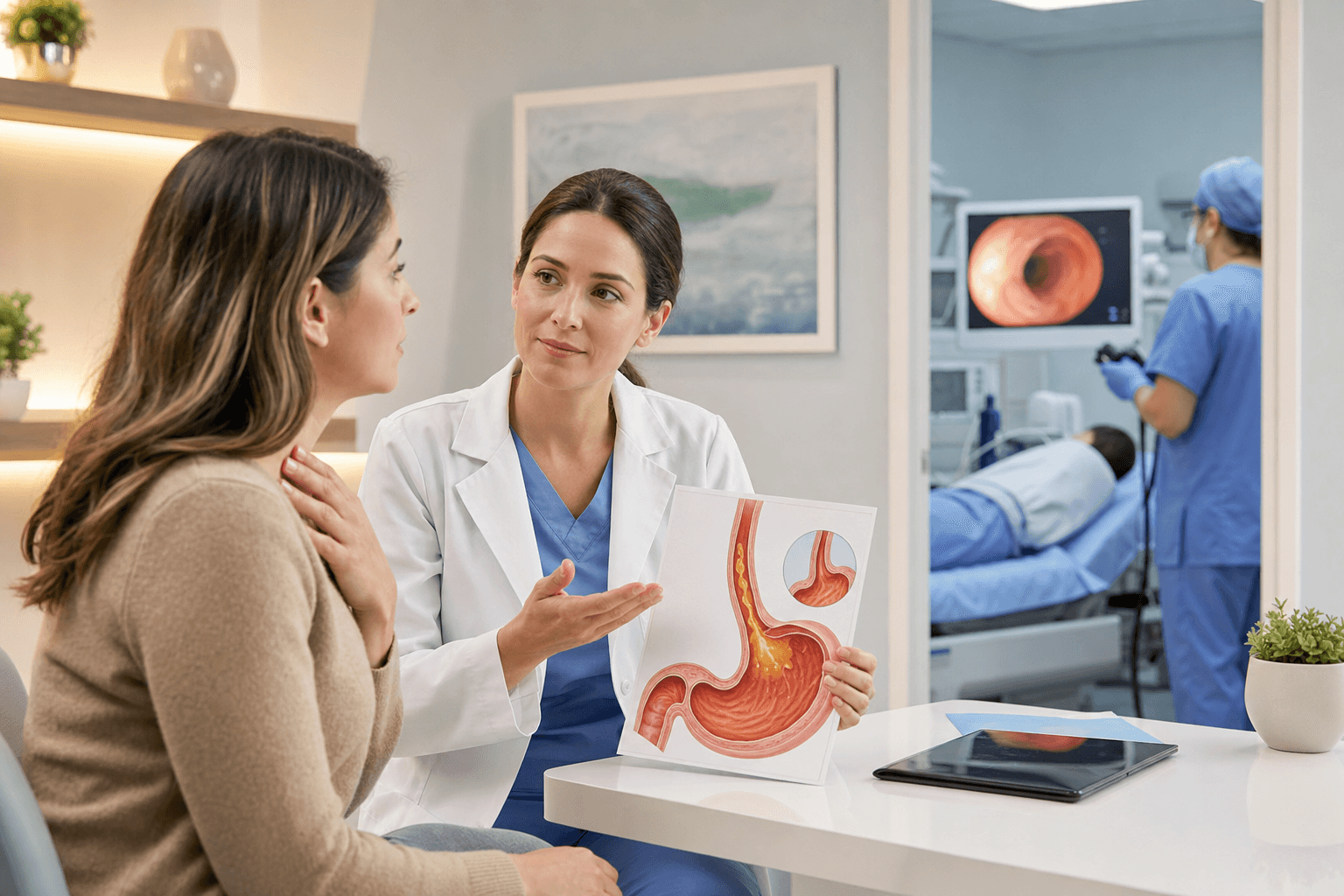
If you take regular medicines, it is important to plan ahead before an endoscopy. Some drugs can affect bleeding risk, sedation, blood sugar, or how well your bowel is prepared for the procedure. Others may need to be taken at a different time on the day of the test. The good news is that most people can continue many of their usual medicines, but a few need special attention.
This matters because endoscopy is not one single procedure. A gastroscopy, colonoscopy, flexible sigmoidoscopy, or a procedure done under sedation can each have slightly different instructions. Your endoscopy team will usually give you specific advice, but knowing the basics helps you ask the right questions and avoid last-minute problems.
Medicines that may need special planning
Blood thinners
Blood-thinning medicines are one of the most important groups to discuss before endoscopy. They include anticoagulants, such as warfarin, apixaban, rivaroxaban, dabigatran, and edoxaban, and antiplatelet medicines such as aspirin, clopidogrel, prasugrel, and ticagrelor.
These medicines do not always need to be stopped. The decision depends on the procedure, your bleeding risk, and why you take the medicine. For example, if you have had a stent, a stroke, a pulmonary embolism, or atrial fibrillation, stopping treatment without advice could be risky. If your procedure may involve taking biopsies, removing polyps, or stretching a narrowing, the plan may be different from a purely diagnostic test.
Never stop a blood thinner on your own. Ask whether you should continue it, skip a dose, or temporarily pause it, and find out exactly when to restart it afterward.
Diabetes medicines
If you have diabetes, fasting and bowel preparation can change your glucose levels. This is especially important if you use insulin or medicines that can cause low blood sugar.
Your team may advise you to adjust the timing or dose of insulin, and some diabetes medicines may be paused briefly when you are not eating normally. For colonoscopy preparation, people often need extra monitoring because a clear-liquid diet and laxatives can lower blood sugar or cause dehydration.
If you use insulin, bring your meter, strips, and a quick source of glucose if allowed. If you use a continuous glucose monitor or pump, ask how to manage it during the procedure.
Iron tablets and bowel preparation
Iron supplements can darken stool and sometimes make bowel preparation less effective for colonoscopy. Your clinician may ask you to stop iron a few days before the test. This is common and usually temporary.
If you are taking iron because of anaemia, do not stop it without checking first, especially if the reason for your anaemia is still being investigated.
Weight loss medicines and stomach-emptying drugs
Some medicines, including certain GLP-1 receptor agonists used for diabetes or weight management, can slow stomach emptying. This may matter for gastroscopy or procedures requiring sedation, because a slower stomach may increase the chance of nausea or retained food.
Advice in this area is evolving, so your endoscopy unit may have a specific policy based on the medication you take and the type of procedure planned. Be sure to mention all injections and tablets, even if you take them only once a week.
What to keep taking, and what to ask about
Many regular medicines can be taken as usual with a sip of water on the morning of the procedure, but this depends on the test and the timing. Common examples include blood pressure tablets, thyroid medicine, and some heart medicines. However, there are exceptions, so the safest approach is to get personalised instructions.
It helps to make a complete list that includes:
- Prescription medicines
- Over-the-counter tablets
- Vitamins and supplements
- Herbal products
- Injections, inhalers, and patches
Some supplements can also affect bleeding or sedation, including fish oil, ginkgo, garlic tablets, and St John’s wort. These are easy to forget because people often do not think of them as medicines.
Sedation, anaesthesia, and the day of the test
If your endoscopy will involve sedation, you may be asked not to eat or drink for a set number of hours beforehand. You will also need someone to take you home afterward, because sedative medicines can slow reaction time and affect judgement for the rest of the day.
Tell the team if you take regular sleeping tablets, anti-anxiety medicines, opioid pain medicines, or medicines that make you drowsy. These can interact with sedation and may influence the dose you are given.
If you have sleep apnoea, liver disease, lung disease, or previous problems with sedation, mention this early. It does not usually prevent endoscopy, but it may change how you are monitored.
Practical steps to avoid delays or cancellations
A little preparation can prevent the common reasons procedures get postponed. Try these steps:
- Bring an up-to-date medicine list, or the boxes themselves if that is easier.
- Contact the endoscopy team as soon as you are booked, especially if you take a blood thinner or diabetes medicine.
- Ask exactly which medicines should be stopped, continued, or adjusted, and when to restart them.
- Clarify whether the instructions are different for morning or afternoon appointments.
- If you are unsure about a supplement or herbal remedy, mention it anyway.
If you have kidney disease, heart failure, or a history of dehydration, bowel preparation may need extra caution. Let the team know if you have had dizziness, fainting, vomiting, or trouble keeping fluids down during previous prep.
When to seek advice sooner
You should contact your doctor or endoscopy unit before the procedure if you:
- Started a new medicine recently
- Changed dose on your own
- Have had a recent blood clot, bleeding episode, or stroke
- Take more than one blood thinner
- Are pregnant or breastfeeding
- Have significant kidney, liver, or heart disease
- Have had difficulty with sedation in the past
The earlier you raise these issues, the easier it is to make a safe plan.
A simple way to think about it
For most people, preparing medicines for endoscopy is about balance. The goal is to reduce the risk of bleeding, low blood sugar, dehydration, or sedation problems, without stopping essential treatment for too long. That is why individual advice matters more than general internet lists.
If you are ever unsure, do not guess. Call the clinic, ask for written instructions, and confirm what to do on the day of the procedure.
Practical conclusion
Endoscopy is safest and smoothest when your medicine plan is clear before the appointment. A complete medication list, early communication, and specific instructions for blood thinners, diabetes treatment, and supplements can prevent delays and reduce risk. If you take daily medicines, make them one of the first things you discuss when your procedure is booked. A few minutes of planning can make the whole experience safer, simpler, and less stressful.
A healthy gut is central to a longer, healthier life. Explore the wider Medtech health ecosystem.