What is an endoscopy, and why might you need one
10 June 2026 · By Endoscopy.mu · Updated 17 June 2026
What is an endoscopy
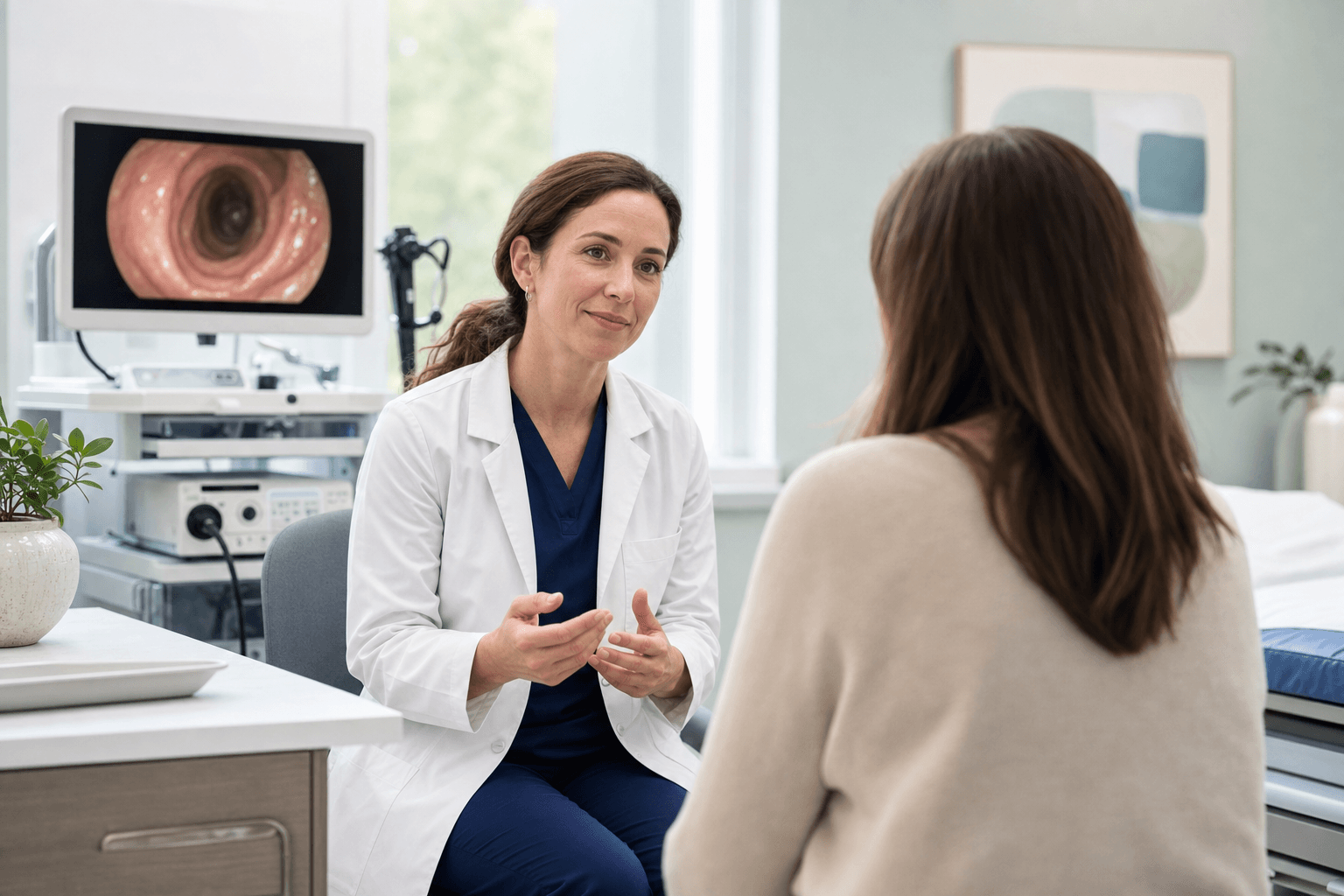
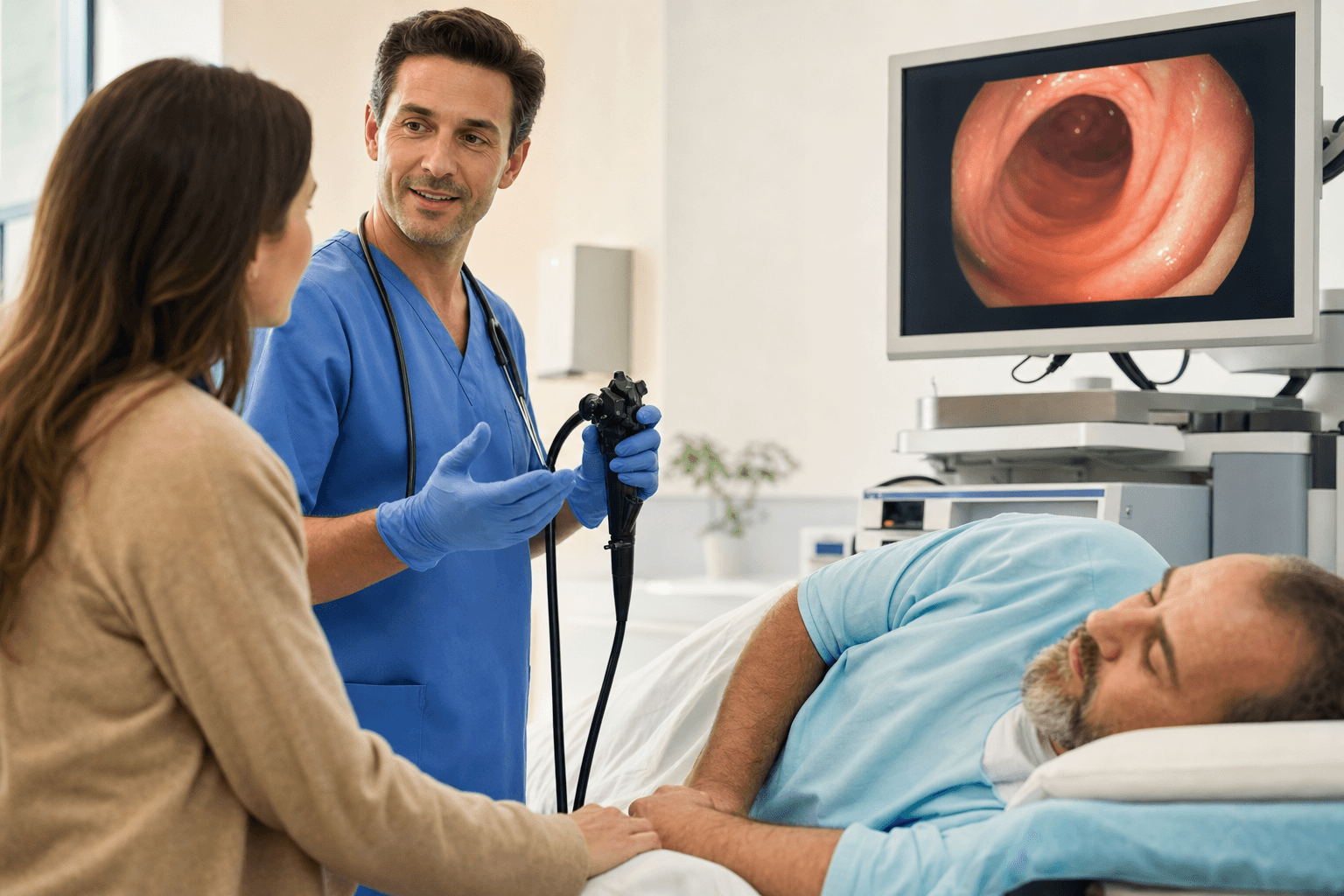
An endoscopy is a procedure that lets a doctor look directly inside part of your body using a thin, flexible tube called an endoscope. The tube has a small camera and a light at its tip, and the live image appears on a screen. Because the doctor can see the lining of the organ in real time, an endoscopy often gives much clearer answers than blood tests or scans alone.
Many people feel nervous when they first hear the word. It helps to know that endoscopy is one of the most common and well established procedures in medicine, and that most examinations are completed in a matter of minutes.
The main types of endoscopy
There are several kinds of endoscopy, each named for the area it examines. The two most common digestive examinations are:
Gastroscopy
A gastroscopy, sometimes called an upper endoscopy, looks at the oesophagus, the stomach and the first part of the small intestine. The endoscope passes gently through the mouth. It is often used to investigate heartburn, swallowing trouble, persistent stomach pain or unexplained anaemia.
Colonoscopy
A colonoscopy examines the large bowel, also called the colon. The endoscope is passed through the back passage. It is used to look into changes in bowel habit, bleeding, abdominal pain and as part of bowel cancer screening.
Other endoscopy procedures exist for the airways, the joints and the urinary tract, but the digestive examinations are the ones most people will encounter.
Why a doctor might recommend one
Your doctor may suggest an endoscopy for several reasons. The most common is to find the cause of symptoms that have not settled, such as ongoing reflux, difficulty swallowing, repeated tummy pain, a change in your bowel habit or bleeding. An endoscopy can also be used to:
- Take a small tissue sample, called a biopsy, for testing
- Remove small growths such as polyps before they cause trouble
- Check on a condition that is already known, to see how it is responding to treatment
- Screen for early signs of disease before symptoms appear
Because the doctor can both see and act during the same procedure, an endoscopy is often a one stop way to investigate and treat at the same time.
What actually happens
Most endoscopy procedures follow a similar pattern. You will be asked to prepare in advance, which usually means not eating for a set number of hours, and for bowel examinations, clearing the bowel with a special preparation. On the day, the team will explain everything and answer your questions.
During the procedure you may be offered a numbing spray, a mild sedative to help you relax, or both, depending on the examination and local practice. Many people are surprised by how comfortable it is. Afterwards you rest for a short while, and if you have had sedation you will need someone to take you home.
Is it safe
Endoscopy is considered very safe. As with any medical procedure there are small risks, and your doctor will explain these clearly before you agree to go ahead. Serious complications are uncommon, and the information gained usually outweighs the small risk involved. The team will tell you which symptoms to watch for afterwards and how to reach them if you have concerns.
Endoscopy in Mauritius
Endoscopy is widely available in Mauritius, in both public and private healthcare settings. If your doctor recommends one, it is worth asking what type of examination you are having, how to prepare, and whether sedation will be offered. Clear answers to these questions tend to make the whole experience far less stressful.
Talk to your doctor
This article is general education and not a substitute for personal medical advice. If you have symptoms that worry you, or you have been advised to have an endoscopy and are unsure, talk to your doctor. They can explain why the procedure is suggested for you and what the findings might mean for your care.
A healthy gut is central to a longer, healthier life. Explore the wider Medtech health ecosystem.